





Cinema Paradiso
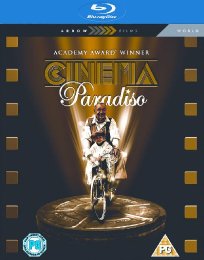
There are three different cuts of Cinema Paradiso: the Theatrical Cut, the International Cut and the Director's Cut. The original theatrical version was panned upon its release but a slightly shorter version was released for the international market where it found a home, became almost universally loved and won the Special Jury Prize at Cannes and the Best Foreign Film Oscar. Later, Giuseppe Tornatore revisited the material he had and created the film he wanted to release which is nearly 50 minutes longer than the version put out by the studio. This Blu-ray Disc contains the International Cut.
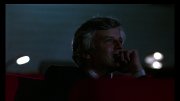
As with such films as Citizen Kane, Sunset Blvd. and Once Upon a Time in America, Cinema Paradiso is told as a flashback from the perspective of successful film director Salvatore. It begins when he is told of the death of Alfredo, who, whilst not a relative, was obviously an important person in his life. Salvatore, nicknamed 'Toto', thinks back to his youth in Sicily and the profound effect that Alfredo and the titular cinema had on him.
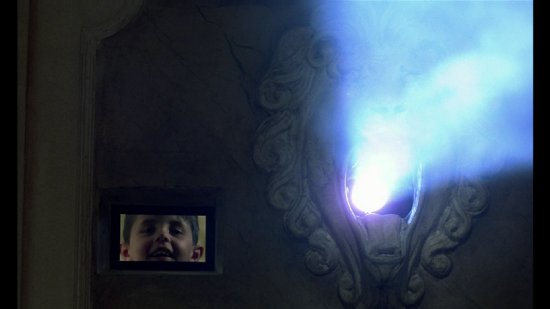
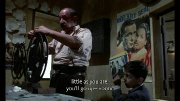
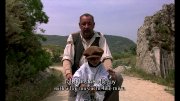
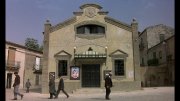
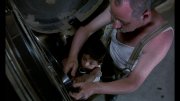
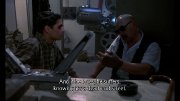
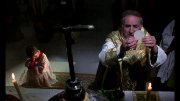
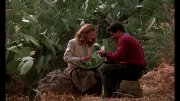
As a young boy Toto's life revolved around the cinema in his home town, spending all his time with Alfredo in the projection booth of the Cinema Paradiso where he learned to love film and operate the projector, cutting and editing films - skills that would serve him well in later life. As a teenager, Salvatore falls in love with a local girl, Elena, but her family consider the peasant boy beneath her so block any attempt for them to further their relationship. When Salvatore is called up for his National Service and has to move away to Rome, he continually writes to Elena only to find that each letter is returned to sender.
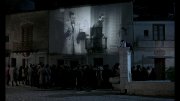
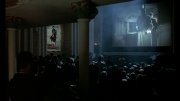
This isn't a film in which a great deal happens, there are no earth shattering events but just ordinary things that happen to ordinary people and that's what makes it so special and easy to identify with. The themes of young love, hardship and grief are universal and, though Salvatore lives in a small Sicilian village, his life experiences can be exported virtually anywhere. There is a degree of autobiography to this as Giuseppe Tornatore is a man who has loved film his entire life and anyone who cares for something deeply and has had their heart broken at some point can identify with the personal nature of Cinema Paradiso. It is a film about memory, guilt and growing up, all shown here using cinema as a device, both as a place and as an entertainment and way of life - it is not only Salvatore that adores film, but the entire village and, in one scene that has been parodied and referenced, Alfredo turns the projector onto a white wall outside so that the townsfolk who have been locked out of the cinema can watch the film.
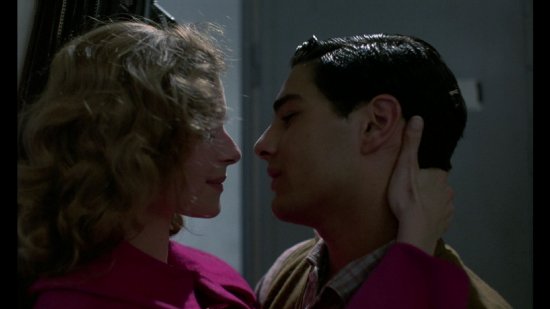
When I first saw this film four years ago, I noted that 'although well directed and acted, Cinema Paradiso is too long and over melodramatic for its own good'. Last time I saw it (both Theatrical and Director's Cuts) my appreciation of the film grew and I loved every minute of it although I realised the Theatrical cut was redundant when compared to the longer version assembled by Tornatore.
Cinema Paradiso, especially in the longer form, is a cinematic triumph: unashamedly sentimental and beautifully directed and acted, particularly in the first hour in the scenes between Alfredo and the young Toto. It is a shame that this version isn't included as the dual layer disc must have room even if it is just through the extra scenes accessed by seamless branching. Despite the omission of the extra 50 minutes that make the director's cut, I still love this film as it is in this shortened form and can see why it was so critically lauded.
The Disc
Extra Features
In the funny and interesting documentary A Bear And A Mouse In Paradise, Tornatore, Philippe Noiret and Salvatore Cascio are interviewed about the relationship between Alfredo and the young Salvatore, casting and working with a child actor.
The Kissing Scene focuses on the last scene in the film and Tornatore explains how he conceived, made and shot it and how he came to be the projectionist. The scene then runs in its entirety but with the names of the films that the kissing scenes have been taken from and the actors involved scrolling along the bottom of the screen.
There is the option of an isolated music score which plays the 55 minutes of music over a slideshow of images from the film. It is a great addition, presented in uncompressed PCM Stereo, it is as close as you'll get to listening to the score without having the soundtrack CD and it truly is a great soundtrack.
Rounding off the extra features is a trailer and a photo gallery.
It's a shame that the disc doesn't include the fascinating documentary Giuseppe Tornatore: A Dream of Sicily which was on the Deluxe Edition DVD as that would have made the extras package complete.
The Picture
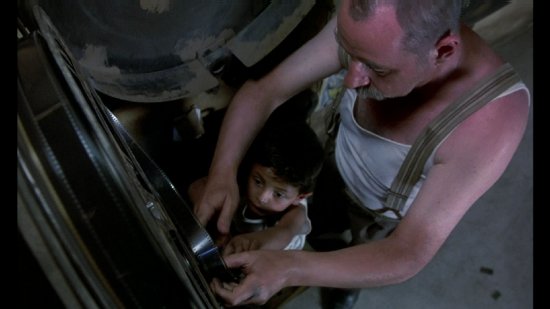
A film as beautifully shot as this deserves a top notch transfer and the picture is very good with excellent contrast and colours. It's not reference material, the black levels could be deeper and there is a degree of grain and spotting throughout but nothing distracting and the overall impression is of a transfer that will enhance, rather that spoil, your viewing experience.
The Sound
Every DVD of this film I've watched has completely botched the surround track, using the four surround speakers as one centre speaker which has laid almost dormant throughout. Thankfully, the DTS-HD Master Audio is a beautifully balanced soundtrack, using the speakers as they should be used and showcasing Morricone's sublime score. The dialogue is clear and the burnt in subtitles are well written and easy to read - if there were typos and grammatical errors then I missed them.
The stereo track is perfectly adequate as this isn't an effects laden film that requires six channels but the surround track is marginally sharper and presents the score much better.
Final Thoughts
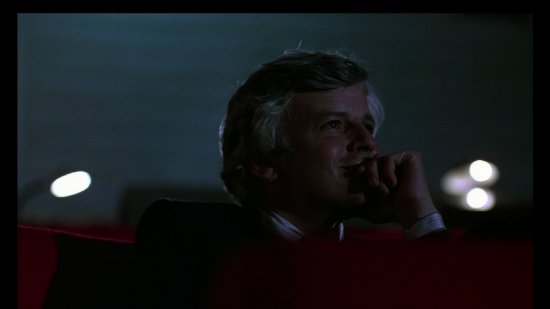
Cinema Paradiso is such a great film with heart-warming performances from Philippe Noiret and Salvatore Cascio who is such a delightful little child that you can forgive his misbehaviour. The big question is: if you already own this on DVD, is it worth buying the Blu-ray? The AV quality is of such a high standard that even the best looking DVD upscaled looks poor by comparison. The inclusion of the isolated score is terrific as this is one of the very best scores that Ennio Morricone wrote in his long and illustrious career and makes up for the missing documentary. None of the previous releases have adequately produced a surround track to properly showcase the beautiful score and this is the first to do so.
This is a classic film which has been given the presentation it deserves and, whether you own the DVD or not, a purchase is highly recommended.
Your Opinions and Comments
Be the first to post a comment!